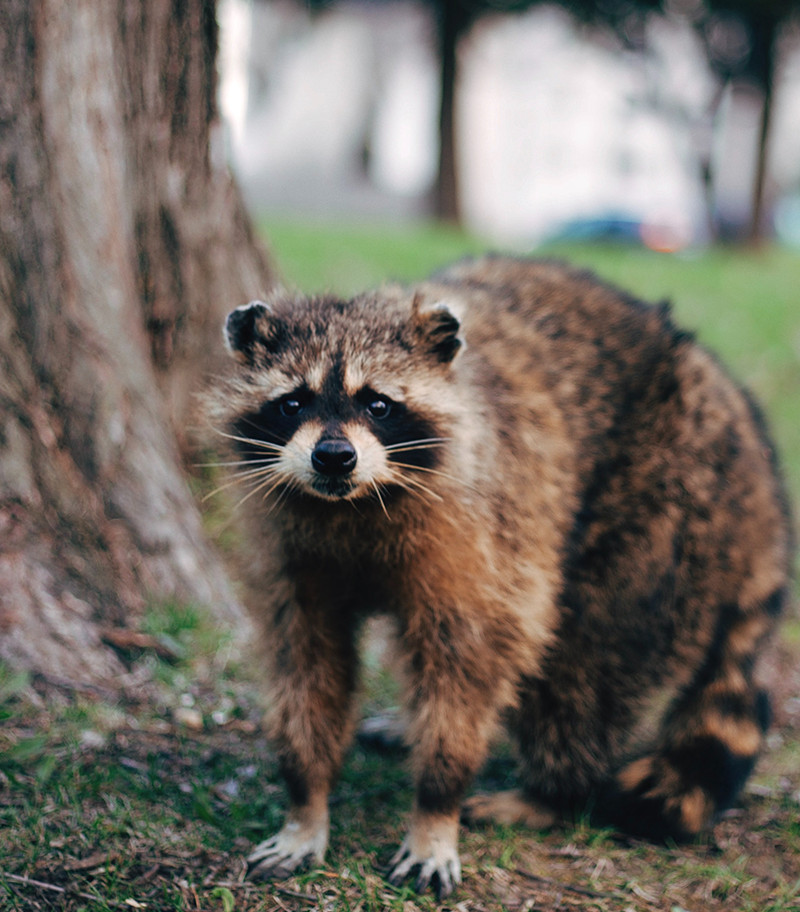
Ottawa’s climate is changing—and raccoons are adapting faster than expected. Their behavior shifts with every mild winter or sudden cold snap. What used to be seasonal patterns are now unpredictable year-round events. Raccoon removal in Ottawa has become more complex, requiring new strategies and quicker responses. If homeowners wait too long, infestations grow faster and enter deeper into living spaces. Understanding the link between weather and raccoon behavior is now essential.
Weather-driven behavior changes
Traditionally, raccoons slowed down in winter. Snow and cold pushed them to hibernate or stay hidden. Today, milder winters extend their activity. These animals remain mobile, searching for food and warm shelter even in January. Sudden temperature drops then push them inside attics, garages, and sheds. Raccoon removal now demands flexible tactics. Professionals can no longer rely on seasonal routines—they must monitor temperature changes weekly.
Breeding season starts earlier
Another consequence of warmer winters is early breeding. Female raccoons now begin nesting in late January or early February. As a result, babies appear weeks ahead of schedule. This shift creates complications. Removing a mother raccoon without her young causes distress, noise, and even structural damage. Proper raccoon removal in Ottawa requires recognizing signs of early nesting. Experts trained in humane removal know how to handle this without separating families.
Unusual entry points increase
Soil that used to freeze in winter now stays soft. That makes basements, crawl spaces, and vents more accessible. In warm spells, raccoons also climb more actively, targeting rooflines, chimneys, and dryer vents. Raccoon removal service involves inspecting all entry points—even the unlikely ones. Technicians now include decks, wall openings, and foundation cracks in every inspection. Weather influences how and where raccoons invade.
Planning removal around forecasts
Weather also affects removal logistics. A sudden storm during relocation can endanger animals. It may leave babies behind or cause trapped raccoons to panic. Experts now monitor weather forecasts closely. Raccoon removal in Ottawa is timed around wind, rain, and cold fronts. The goal is safety—for both the animals and the residents inside the home.
In changing conditions, quick action matters. For precise, weather-aware service, Aspen Wildlife Control adapts to every season—because Ottawa’s raccoons already have.